
Key Points
- Start with Your Why: Understanding your motivation for travel helps shape the entire planning process.
- Budgeting Your Adventure: A solid budget is crucial; it keeps your plans realistic and stress-free.
- Stay Flexible and Open: Being adaptable can lead to unexpected joys and a more enriching travel experience.
Start with Your Why
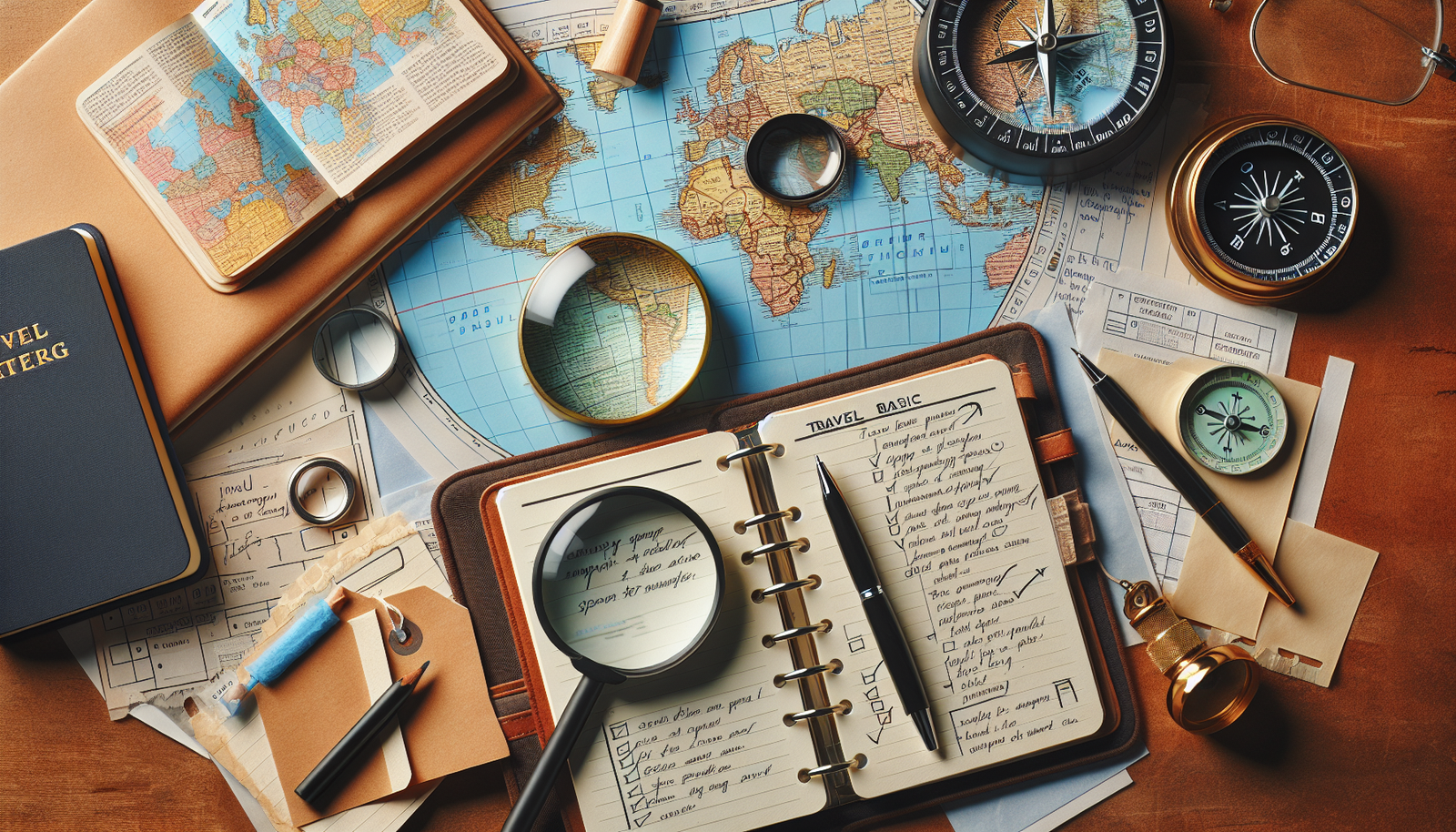
So, you’ve decided to travel – that’s fantastic! But before you dive headfirst into planning, let’s figure out why you want to embark on this journey. Look, I can’t stress this enough: knowing your ‘why’ will help guide your decisions and fuel your excitement. Are you looking to unwind on a beach, explore a city, or perhaps take a cultural deep-dive? Each purpose requires a different approach. For instance, I remember my first solo trip to Europe. I craved adventure and immersion, so I crafted an itinerary packed with local experiences instead of just sightseeing. Think about this: a strategic process usually leads us to the right destinations, whether it’s chasing the Northern Lights in Iceland or tasting street food in Bangkok. So, grab a notebook and jot down what you’re hoping to gain – it’s your travel compass.
Visualize Your Destination
To truly nail down your travel inspiration, consider creating a vision board. Yeah, it might sound a bit cheesy, but trust me, it works. Pin up photos of places you want to visit and activities you want to do. This visual representation keeps your excitement alive and helps narrow your focus.
Budgeting Your Adventure
Alright, let’s get real – budgeting isn’t the most glamorous part of travel planning, but it’s one of the most vital travel planning tips for beginners. You don’t want to end up stranded, financially and emotionally drained halfway through your trip, right? Here’s the deal: I like to break my budget down into categories—flights, accommodations, food, activities, and a little cushion for surprises. You’d be surprised at how quickly costs can pile up unless you keep an eye on them. For a week-long trip, I typically set aside about $100 to $150 a day, factoring in food, transportation, and fun. Apps like Trail Wallet or Mint can work wonders in managing your expenses. And don’t forget those hidden fees that pop up like bad pennies—currency conversion fees, baggage costs, or even those enticing upcharges for ‘premium’ experiences. You know what I’m talking about. Planning for these can save you from a nasty surprise later.
Tips for Saving Money
Consider traveling during the off-season, if you can. The deals on flights and accommodations can be jaw-dropping. I once scored a round-trip ticket to New Orleans for just $80 because I went in late January when most tourists were hibernating!
Stay Flexible and Open
Now that you’ve got your motives and budget sorted, let’s talk about the value of flexibility. The truth is, travel doesn’t always go as planned. Canceled flights, sudden weather changes—ever had your plans fall apart because of a freak snowstorm? I have, and let me tell you, it’s a pain. But here’s a little secret: some of my best travel moments came from the unexpected twists. Embrace the unknown! Sometimes, you may find a hidden gem of a local eatery just because your planned restaurant was fully booked or discover an intriguing historical site because your tour guide took a wrong turn. Keeping your options open can lead you down paths you never thought to explore. And if things are too set in stone, you might just box yourself into a dull itinerary that limits your experience. So, allow yourself some wiggle room; your future self will thank you!
Listening to Local Advice
A local’s recommendation can sometimes be worth more than hours of research. Just last year, I was in Lisbon, and instead of sticking to my pre-planned itinerary, I chatted with a waitress who pointed me to an obscure viewpoint with unbelievable sunset views. I ditched my plans and followed her advice—it was a game-changer!





Leave a Reply