
Key Points
- The Rise of Strikes: Examine how the current wave of strikes is impacting air travel in Europe, with personal anecdotes and real numbers.
- Traveler Turmoil: Explore the experiences of stranded travelers and the broader implications for the industry and economy.
- Future of Travel: Discuss potential solutions and the outlook for future travel as strikes seem to become a norm.
The Rise of Strikes: Europe’s Travel Woes
Here’s the thing: strikes aren’t a new phenomenon in Europe. The ongoing wave of airport strikes is shaking up travel and leaving passengers frustrated—and I totally get it. In recent months, we’ve seen numerous strikes across major European airports. From London’s Heathrow to Paris Charles de Gaulle, it seems that every major hub has its share of discontent brewing. Just recently, data from Eurocontrol revealed that flights across Europe have faced delays and cancellations in record numbers. Can you believe that? In just one week, nearly 20% of flights were disrupted due to these strikes!
So, why are these workers striking? Pay and working conditions play a huge role. Look, the pandemic hit the airline industry hard, and many employees found themselves laid off or overworked as operations ramped back up. The truth is, when you put people through that kind of pressure, they’re likely to push back. I once experienced an unexpected delay at London Stansted due to a similar strike, and let me tell you, it was a disaster. I missed my connecting flight to Spain, and instead of sipping sangria in the sun, I spent six hours in the crowded airport lounge. Definitely not the best way to start a vacation!
The recent strikes highlight broader labor conflicts too. Workers are demanding better pay and improved conditions, leading to tough negotiations with airline companies. With approximately 1,500 ground staff at Brussels Airport striking last month, it’s clear that workers are willing to make sacrifices. What’s fascinating (or concerning, depending on how you look at it) is that this wave of strikes isn’t just about one country or one airline; it’s becoming a coordinated effort across Europe. What’s next? Will we see strikes spreading to train services too, sparking chaos at every traveler’s expense? Time will tell.
Understanding the Causes
Diving deeper, the reasons behind the strikes often stem from economic issues. The International Labor Organization (ILO) reports that wage stagnation during the pandemic has forced many employees to reconsider their positions. It’s a wake-up call. Workers are saying enough is enough. That’s resonated with me; I’ve seen so many friends in different sectors feeling the same pressures. When you’re working hard and not seeing the rewards, it creates a recipe for unrest. For air travel, it’s a perfect storm.
Traveler Turmoil: Real Stories from the Frontlines
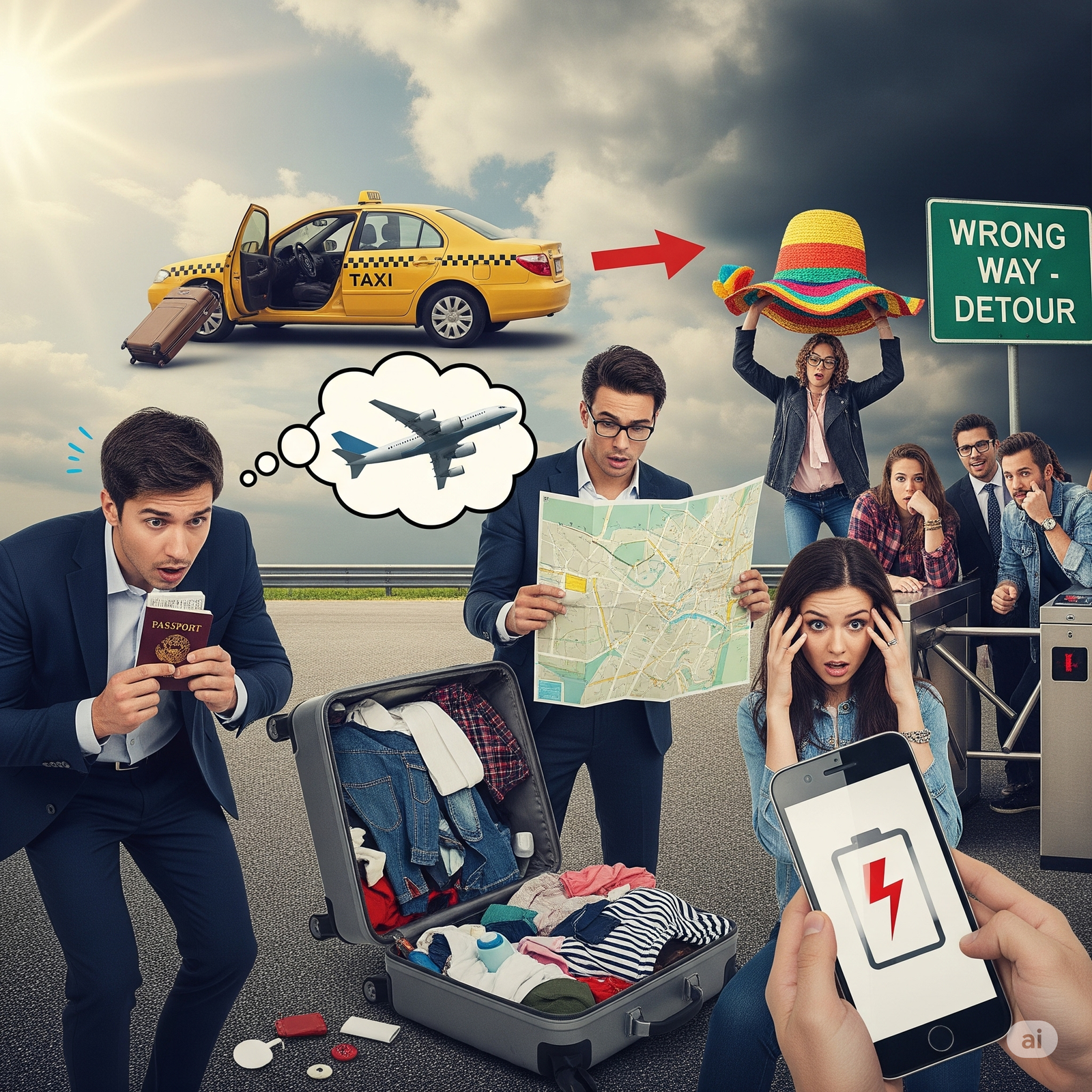
Alright, let’s shift to the traveler perspective. Have you ever been in a situation where you’re at the airport, bags packed, and then news breaks about a strike? It’s panic mode, right? I remember the last summer vacations when I tried to fly to Italy. My flight was canceled due to a strike, and everyone scrambled to find alternative routes. Personally, I ended up booking a last-minute train, which was packed to the brim. Ever wondered why train travel can get so chaotic around holiday seasons? You’re not alone.
And it’s not just me. Many travelers have shared similar experiences. Just last week, a friend of mine was supposed to fly from Berlin to Lisbon. Upon arriving at the airport, she learned her flight wouldn’t take off due to the walkout of ground staff. Imagine her frustration—it felt like a scene out of a movie! The airline offered her a re-booking option, but it was at least 48 hours later. Who’s got time for that? So, she opted for a bus—an option that turned into a 30-hour odyssey through the European landscape. Some people joke they might as well make a road trip out of it, but honestly, days spent traveling can sap the travel spirit.
But, let’s not ignore the economic aspects either. The financial implications of these disruptions are staggering! The European Travel Commission reports that the travel sector could lose billions due to canceled flights and diverted trips. That’s a big deal, and we can only hope this isn’t going to become the norm. With airlines struggling to recover post-pandemic and now facing worker unrest, it creates a cycle of uncertainty for both the industry and travelers. What about future travel plans? The prospect of navigating this chaos adds a layer of stress to booking flights. Who wants to deal with that?
The Broader Implications of Strikes
What about the domino effect these strikes have on an entire region’s economy? If travelers are avoiding Europe due to fear of delays or disruptions, we’re looking at a ripple effect impacting everything from restaurants and hotels to tourist attractions. Countries that rely heavily on tourism are facing tough choices—do they negotiate with workers or risk losing international visitors? It raises so many questions about sustainability in travel and how we can strike a balance between rights and regulations.
Future of Travel: Hope on the Horizon?
Now, you might be wondering, how does this all end? Do we see a resolution to the strikes, or is travel just going to become a hassle? Honestly, I wish I had a crystal ball. Many industry experts suggest that dialogue between stakeholders and workers is crucial for making progress. Here’s the deal: effective communication often leads to better negotiations.
In my experience, companies that prioritize worker satisfaction reap the benefits in terms of increased productivity and customer service. The airlines might have to rethink their priorities, and introducing fair wages could actually help them retain staff in the long run. It’s a basic principle: treat your workers right, and they’ll treat your customers right. As our world continues to recover from the pandemic, this could be a pivotal moment for airlines and airports.
Then there’s technology. Innovations such as AI for better resource management might play a role in alleviating some of the burdens. Imagine a world where air traffic is managed more efficiently, cutting down on delays caused by operational issues. It might not solve everything; we still need a human touch. But hey, who doesn’t love those little breakthroughs?
Speaking of hopes, travelers will likely need to adapt. In the coming years, staying updated on travel advisories and being flexible with plans will be more important than ever. Booking a flight might come with the understanding that it could get canceled last minute. As frustrating as it sounds, being prepared for the unexpected might just become par for the course. Let’s face it; travel is an adventure, right? If we can just roll with it, maybe we can all find some silver lining amidst the chaos!
Finding Solutions
We’ve got a long road ahead, but that doesn’t mean it’s all doom and gloom. Collaborations between airlines, staff, and governments can lead to better labor conditions and a smoother travel experience. As travelers, we might even end up advocating for better practices. Imagine if air travel became an example of how industries could come together while prioritizing both efficiency and humanity. Wouldn’t that be something?





Leave a Reply