
Key Points
- Missed Connections: Flight delays often lead to missed connections, creating a domino effect on your entire travel itinerary.
- Rising Costs: Travel delays can significantly increase your costs, from accommodation to food and transportation.
- Emotional Toll: Flight delays take a toll on travelers’ peace of mind, causing stress and frustration.
The Domino Effect: How Delays Snowball Into Major Problems
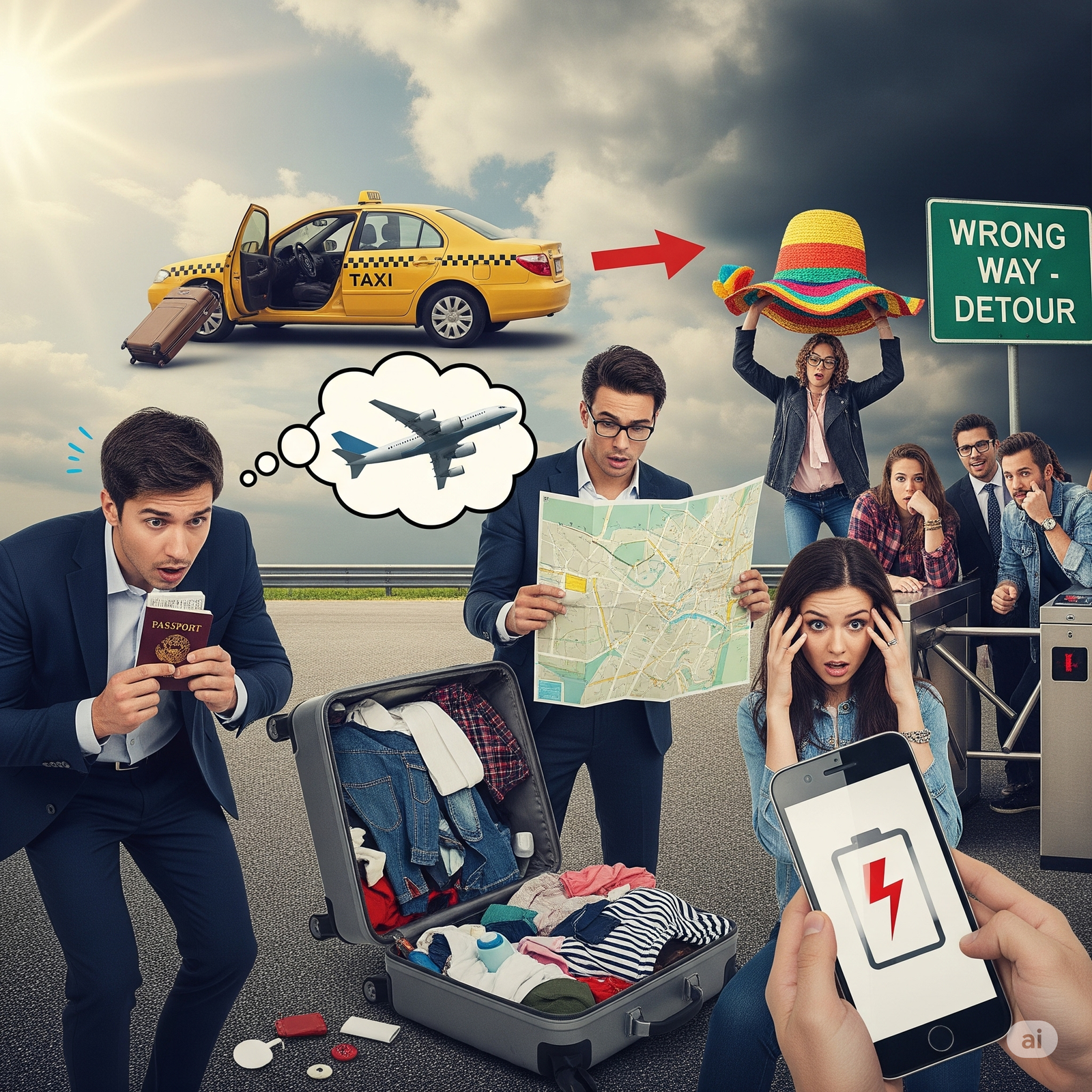
Look, every seasoned traveler has been there. You arrive at the airport full of excitement, ready to soak up the sun or hit the slopes only to be greeted by the dreaded ‘delay’ announcement. It’s like a plot twist in a bad movie—unexpected and downright frustrating! When your flight gets delayed, it doesn’t just mess with your schedule; it can unravel your entire travel plan in what feels like an instant. Who hasn’t rushed through an airport, only to find their connecting flight is just pulling away from the gate?
The truth is, flight delays often lead to a chain reaction of missed connections. Imagine you’re flying from New York to London, then catching a connecting flight to Barcelona. If your New York flight is delayed by just an hour, you might arrive after your Barcelona flight has already taken off. Suddenly, you’re in a foreign place with no plans and a ton of anxiety. The scramble to rebook can feel like a game of whack-a-mole—every time you think you’ve found a solution, another issue pops up.
In my experience, the stress of missed connections goes beyond just time. Airlines often provide limited assistance to delayed passengers, leaving you to fend for yourself. You might spend hours on the phone or waiting in line at the counter, only to find out that you’ll miss your hotel check-in or a critical meeting. The ripple effects of one delayed flight can mess up not only your plans but those of the people waiting on the other end. Sound familiar?
One time, I had a flight delay that left me stranded in Atlanta for an extra five hours—five hours I wasn’t prepared for. I ended up missing a family reunion and renting a car just to get to the gathering hours late. Those delays can feel like they take a personal toll on your life, beyond just the logistics. So, how flight delays create major travel problems isn’t just about missed connections, it’s about missed moments.
The Impact on Itineraries
When a delay hits, it can feel like a small earthquake shaking everything in your carefully planned itinerary. Besides the missed connections, there are post-flight plans—like hotel check-ins or shuttle services—that can become chaos. Imagine arriving late to a wedding, or worse, being on the way from the airport to the venue when you realize it’s already started! Those moments are irreplaceable. Flight delays are like a bad relationship—draining and filled with the kind of uncertainty that leaves you questioning your choices.
Financial Headaches: The Hidden Costs of Delays
Now, let’s talk dollars and cents. Ever wondered just how much a flight delay can cost you? It’s more than just the price of your airline ticket. According to a report from Airlines for America, the lost revenue per passenger can skyrocket if you factor in additional expenses. Think about it—if you’re stuck at the airport due to a delay, you might find yourself spending on meals, drinks, and maybe even some quality retail therapy just to pass the time.
Last year, I faced a delay that pushed my layover to an exhaustingly long six hours. I ended up ordering overpriced tacos, and trust me, they weren’t even that good! But it wasn’t just the sinking feeling of watching my budget evaporate. It’s the ripple effect on my travel plans. I had to book an extra night at my hotel, which turned out to be a financial blow I hadn’t accounted for.
Travel insurance can help mitigate some of these unexpected costs, but not everyone thinks about it until it’s too late. The hidden financial costs of flight delays can add up quick, and that “cheap” flight you booked can turn into an unexpected expense. In fact, according to a study from the American Economic Association, delays can collectively cost passengers millions in lost time and increased expenses annually. Who wants to shell out more money due to something completely out of their control?
Let’s not forget about missed connections leading to last-minute rebookings. Rebooking a last-minute flight could cost you two to three times more than your original fare. It’s like punching yourself in the gut after you drop your ice cream. Bad timing can be a serious financial pitfall, especially if you’re already on a budget for your trip. What’s one less vacation worth? Or better yet, how about the extra funds you had set aside for those perfect souvenirs that now have to go towards a hotel you didn’t plan on? It’s like shopping for shoes you didn’t even want!
So, every time you hear about how flight delays create major travel problems, just remember: it’s not just a time sink—it’s a financial black hole, too. Every delayed flight can leave you feeling a mix of frustration and financial dread. It’s a reality check we all dread but must prepare for.
Budgeting for Delays
The idea of budgeting for potential delays is daunting but necessary. Imagine preparing your travel budget with a buffer. On my last trip, I decided to allocate an additional 20% for unexpected expenses and it saved my trip. While it felt like throwing money at the walls, I was so relieved when I faced an unexpected five-hour delay. That extra cushion allowed me to relax instead of scrambling.
Emotional Turbulence: The Psychology of Delays
Let’s get real for a sec—flight delays aren’t just a logistical nightmare; they take a massive emotional toll on everyone involved. You can feel the tension in the airport. When delays pile up, the energy shifts. People become restless, frustrated, and anxious. You can almost hear the collective sighs echoing off the walls. Ever found yourself sitting on the floor near a charging station, scrolling through social media, secretly judging your fellow delayed travelers? Yeah, me too.
The emotional stress doesn’t just fade away once your plane finally taxis down the runway. The anticipation of delay can lead to anxiety long before you arrive at the airport. The mere thought of an impending flight can send some people spiraling. It’s not just a case of ‘missing out.’ This stress can lead to panic attacks. Look, stress isn’t just ‘all in your head’, either. It can affect your physical health and well-being. How many of us have felt our heart race at the thought of being stuck at an airport overnight?
I remember a flight I was on where delays lasted so long, they offered us a snack voucher. Instead of feeling eager to enjoy the treat, I was just counting the minutes until we boarded, with worries piling up like my airplane snack stash. I realized it turns into a psychological game of waiting, filled with uncertainty, frustration, and a feeling of complete lack of control.
Travel delays also invite a flood of unwelcome thoughts. What’s my family doing? Have they already eaten dinner without me? Should I reach out? But the last thing I want to do is burden anyone with my travel woes. The emotional aspect of flight delays can feel like a panic-inducing vortex, dragging us under with every passing minute.
Even when you finally board the plane, the emotional toll doesn’t end there. You’re still left feeling rattled while trying to just enjoy your vacation. Delays can affect the entire itinerary, changing how you view your trip—turning an exciting escape into a massive headache. The look on one fellow traveler’s face during a flight delay said it all: She looked as if she’d just lost her best friend. Who can blame her? Travel should be fun, but often, it becomes a balancing act of keeping sanity while navigating stressful moments. So, here’s the deal: we need to understand the emotional waves flight delays create. It’s crucial to acknowledge that behind every frustrated traveler is a collection of hopes, plans, and dreams being put on hold. It’s a bummer when things don’t go according to plan, but each delay has its own hidden story of human resilience—and sometimes that’s the only silver lining to find after we’ve been stranded.
Coping Mechanisms
So how do we cope with the psychological effects of travel delays? I’ve tried a hundred things, from meditation apps to playing games on my phone. One thing I’ve found to be effective is finding humor in the situation. Sure, you can either sit there fuming or find a way to laugh it off. I often write about my travel woes in a journal. It helps to process my frustration while allowing a release through humor. It’s turned some awful travel experiences into priceless stories to share with friends later. Sometimes the best therapy comes from finding joy even when the world seems chaotic.
Looking Ahead: How Airlines Can Improve
The reality is, airlines need to step up their game. If they really want to carve a loyal customer base, tackling flight delays effectively should be a priority. Imagine a world where every traveler is kept informed, provided with alternative solutions, and treated like gold during tough situations. It wouldn’t hurt for airlines to offer complimentary snacks or a more proactive attitude when delays happen. It’d go a long way in softening the taste of disappointment.
In my experience, communication is key. Simple things like real-time updates on flight status and clear information on next steps could save travelers a boatload of stress. Those giant screens filled with updates can feel like a cruel joke when they’re not accurate! Keeping passengers informed helps ease anxiety and keeps feelings of helplessness at bay.
Remember that time you waited for an announcement at the gate for what felt like hours only to find out the flight was delayed again? It’s a situation begging for better communication. A simple text push notification to phones could do wonders. Delta Airlines launched a program for proactive customer service response during delays, and I think that’s a fantastic move. They’re trying to create a more compassionate airline experience.
Airlines could also invest in enhancing the travel experience during delays. Pretend you’re at a spa instead of an airport—who wouldn’t want that? Relaxation zones, yoga sessions, or maybe even a quick chair massage could change the vibe entirely. Hey, if I’m gonna be stuck, I might as well unwind! Why can’t the airport experience turn into something more enjoyable?
It’s high time airlines took the issue of flight delays seriously, focusing on improving customer service as much as improving schedules. I’ve had fantastic experiences with airlines that truly focus on customer care, and through them, I’ve developed loyalty—even after some significant bumps along the road. In short, the industry should understand that improving customer experience during delays can create huge ripples of goodwill. Remember, travelers are humans with aspirations, and each flight represents more than just a journey—it’s about dreams, connections, and sometimes, a well-deserved break away from reality. So, airlines, if you’re reading this: it’s time to elevate your game. Let’s make travel fun again, even amidst delays.
Empathy in the Travel Experience
Empathy goes a long way in the travel experience. Imagine if the airline staff approached every delay with genuine concern and support. I remember the time a flight attendant spent time reassuring and providing support to stranded passengers during an unexpected storm. That’s the kind of human touch we need. When airlines prioritize empathy, they transform a frustrating travel moment into a shared experience. That connection not only benefits the passengers but the airline too. The next trip I book, you can be sure I’ll remember that level of care. Treat me like family, and I’ll come back every time!





Leave a Reply