
Key Points
- The Ripple Effects of Global Events: Global crises have thrown air travel routes into disarray, affecting millions of travelers.
- Travelers’ Experiences and Reactions: Personal stories illustrate the frustrations and challenges faced by travelers amidst these disruptions.
- Looking Ahead: The Future of Air Travel: What does the future hold for air travel as we adapt to ongoing challenges?
The Ripple Effects of Global Events
Ever wondered why your flight got canceled or delayed with little to no warning? That’s become a common occurrence in recent times. Just think about what’s been happening: global health crises, geopolitical tensions, and natural disasters have all conspired to turn the world of aviation upside down. For instance, the COVID-19 pandemic altered everything we knew about airline schedules. Carriers were scrambling to rework their routes while grappling with reduced passenger demand. I remember booking a flight to Europe in 2021—what should’ve been a straightforward trip turned into months of uncertainty, back-and-forth cancellations, and changes that left me dizzy. In 2022, the Ukraine conflict had airlines reevaluating their routes, especially in Eastern Europe, leading to some pretty significant detours. Travelers weren’t just left high and dry; airlines had to push through financial losses that some still haven’t fully recovered from. Look, I get it—it’s frustrating. You’re all packed up, ready to take off on an adventure, and suddenly you’re rerouted hundreds of miles away or face a lengthy layover on the way to your destination. The truth is these disruptions stem from forces out of many airlines’ control, which feels unfair and often leaves travelers hanging in the balance. If you’ve been stuck at an airport, twiddling your thumbs while listening to the same announcement for the umpteenth time, you know exactly the helplessness I’m talking about. As we dive deeper into these challenges, it’s clear the ripple effects are more than just delayed flights—they’re personal journeys turned upside-down.
Health Crises and Travel Curbs
Health crises like COVID-19 keep reshaping the air travel landscape. It’ll sound familiar—first it was limited flights and then there were travel bans. Airports, once buzzing with activity, turned into ghost towns practically overnight. The ramifications? Unimaginable losses—not just for the airlines themselves but also the thousands of people who depend on them for their livelihoods, from hospitality workers to airport staff.
Travelers’ Experiences and Reactions
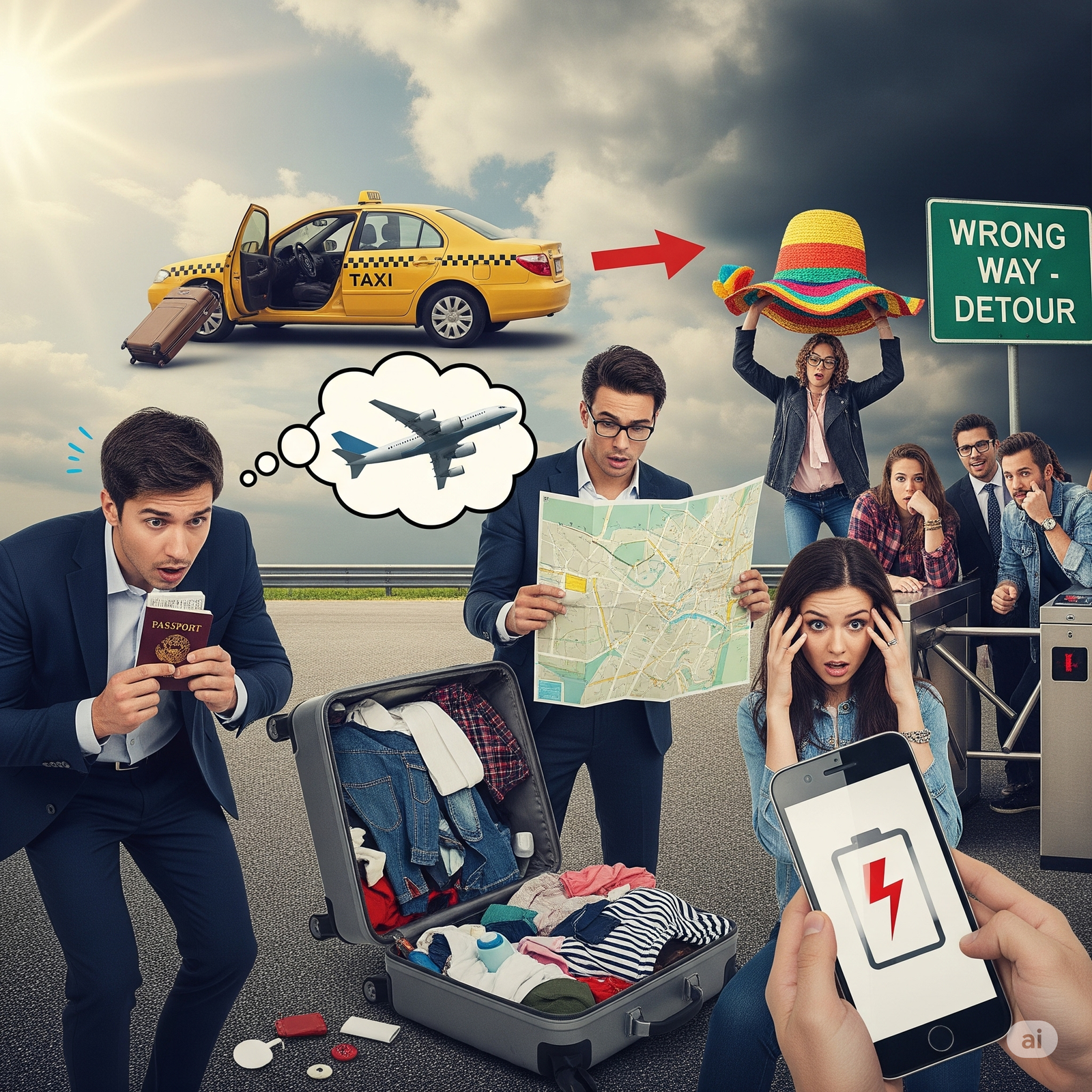
We need to talk about the travelers—those of us who are right in the trenches, facing the harsh realities of these disruptions. I swear, you can feel the anxiety in an airport lounge on any given day. Is your flight going to be delayed? Canceled? Or perhaps you’ll learn that your connection has gone to another dimension? There’s a dear friend of mine, a frequent flyer who had a trip to Japan planned this past spring. Everything was booked, and then the news hit—major airlines were rerouting. Instead of a smooth trip, she faced layovers that felt more like lay-oh-my-goodness-whats-happening. It wasn’t just about one person’s travel plans; it underscored the interconnectedness of our experiences. While she navigated the chaos with some humor—she even joked about setting up camp at the airport for a mini-vacation—many aren’t as lucky. Stories of irate travelers flooded social media, from dissatisfaction over poor communication to downright outrageous wait times that felt like a scene from a bad horror flick. In my experience, there’s something deeply unsettling about being at the mercy of airline schedules. It breeds frustration, which, if you’ve been through it, you’ll resonate with. But here’s the thing: a lot of it is out of the airline’s hands. They’re not just ignoring your calls or canceling flights on a whim. It’s a balancing act, trying to mitigate operational challenges while keeping customers informed. Yet, the road to recovery won’t be a walk in the park. Many airlines are still struggling with staffing shortages and outdated operational procedures that make recovery slow and arduous, leaving plenty of passengers hanging out to dry.
The Emotional Toll on Passengers
Consider the psychological impact of unpredictability. People don’t just want to reach their destinations—they thrive on the anticipation, the excitement that travels bring. Having to constantly adjust plans or deal with misinformation hits harder than most realize. It can change the tone of a much-anticipated vacation or important business trip.
Economic Impacts on the Airline Industry
Now, let’s break things down—what’s really at stake here? The airline industry isn’t just an abstract concept; it’s a colossal financial engine. In a pre-COVID world, airlines contributed trillions globally. With disruptions piling up like a messy stack of papers on my desk, you can bet they’ve felt the overwhelming financial weight of all this chaos. Talk about dramatic downturns—many major carriers reported a staggering 60% drop in revenues. I mean, if you ask industry veterans, they’ll tell you stories of how airlines scrapped entire fleets and canceled thousands of flight routes. Did you know that by late 2022, the airline industry employed over 70% fewer workers due to pandemic-afflicted cutbacks? Those staggering statistics aren’t just numbers; they represent families struggling to make ends meet. Here’s the deal: consumers aren’t just dealing with fluctuating ticket prices as carriers try to recoup losses. They’re also watching as airlines cut services and amenities just to stay afloat. It’s a bitter pill to swallow when you think about it. Now passengers find themselves grappling with crumbs of what used to be a service-driven experience. It’s all very overwhelming. And in a post-disruption world, we have to confront a harsh truth: air travel as we knew it may have transformed forever. Who’s taking charge of fixing this? Well, to put it bluntly, the industry is in a tangled knot, and it’s going to take more than a few tweaks to re-establish trust with travelers again.
The Role of Technology in Recovery
There’s no denying that technology holds the key to recovery. Innovations in data management and customer service can allow airlines to handle disruptions better. Imagine being able to receive real-time notifications about flight changes directly on your smartphone or having instant access to alternative routes at your fingertips. That would make a huge difference for harried travelers trying to navigate an overwhelming airport landscape.
Looking Ahead: The Future of Air Travel
So here we are staring down the barrel of the future. What’s next for global air travel? It’s tempting to feel dismal about what we’ve experienced over the past few years, but I’m a sucker for hope. Believe it or not, there are glimmers of positivity amidst the chaos. Airlines are investing in new technologies, recommitting to customer service, and finding innovative ways to adapt. Just last month, I spotted an article about an airline launching an app designed specifically for seamless travel; it allows you to monitor flight patterns, make changes, and track real-time disruptions—which, let’s be honest, is something we could’ve used yesterday! And here’s a refreshing thought: people have adapted too. With remote work becoming the norm, many folks are shifting to flexible travel schedules. I mean, why not book that long-anticipated trip to Bali when you can work from a beachfront villa? As we adapt, I see a future where airlines contribute to a more sustainable world. From greener practices to more focus on social responsibility, there’s a chance for reinventing travel, making it not just about point A to B, but about enjoying the journey. The truth is, humanity isn’t built for stagnation, and that goes for air travel too. While we’ve faced setbacks, we’re resilient. Travelers crave connection, adventure, and exploration. Airlines may make mistakes, but they’ll continue striving to win us back with better services and experiences. So, the next time you’re caught up in a whirlwind of travel disruptions, remember that history has shown us times of immense growth often follow adversity. Our skies will clear once more, perhaps paving the way for a more vibrant future of travel.
Sustainability as a New Mandate
Just imagine a world where air travel not only connects us but does so with a reduced carbon footprint. As our awareness grows, airlines are beginning to consider how sustainable practices can fall in line with travelers’ expectations. It’s a win-win, shifting our focus from just flying to how we can fly wisely.




Leave a Reply