
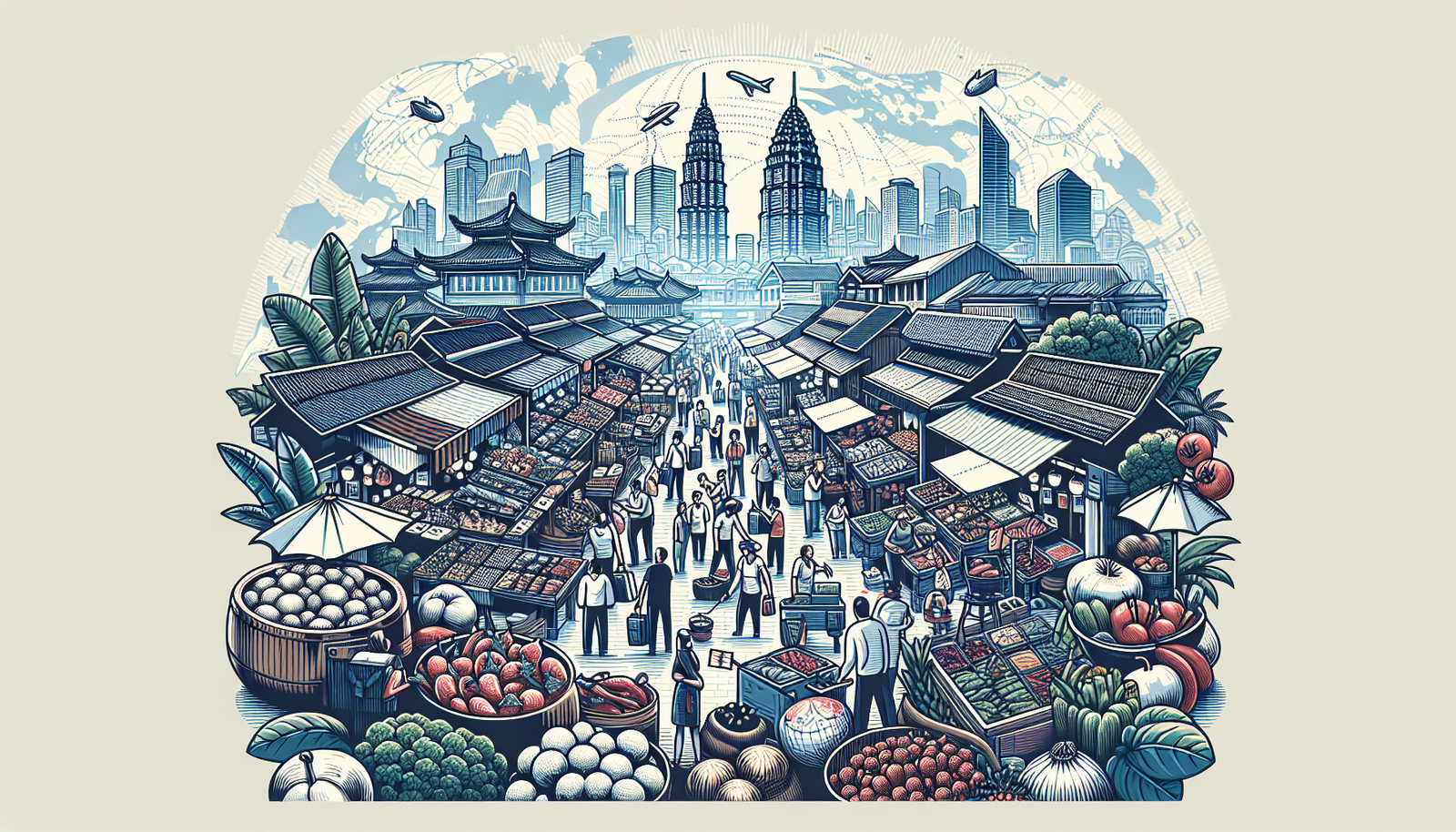
Key Points
- What Makes Local Food Tours Special?: Local food tours offer a unique way to experience a destination through its cuisine, connecting you with local culture.
- Finding the Right Tour: Choosing a food tour that aligns with your interests can greatly enhance your travel experience and gastronomic adventure.
- Tasting as You Go: Local food tours engage all your senses, letting you taste, smell, and meet the artisans behind the food.
What Makes Local Food Tours Special?
Look, if you’re anything like me, your travel plans invariably revolve around food. Seriously, who doesn’t love trying the local fare? Local food tours are the golden ticket to dive deep into a region’s culinary fabric, and honestly, they can transform an ordinary vacation into an unforgettable experience. I mean, think about it. Instead of just passing by a packed taqueria, you get to step inside, chat with the owner, and learn about their grandma’s secret recipe. Isn’t that what travel’s all about?
I’ve found that one of the most beautiful aspects of these tours is the connections they foster. You’re not merely a tourist; each bite connects you to the history, tradition, and people of a place. In my experience, some of the most memorable stories come from food artisans who pour love and passion into their dishes. Ever wondered why a city’s street food has such a different vibe than its high-end restaurants? Take a local food tour to find out!
In a bustling place like Bangkok, you’ll savor sweet coconut rice wrapped in banana leaves while wandering through vibrant markets. How about the alchemy of flavors in a lively Italian neighborhood where a local nonna might share her secret for achieving the perfect marinara? The truth is, every dish has a story. With local food tours, you get front-row seats to those narratives, often tasting them alongside the people who’ve been carrying those traditions for generations.
What’s more, it’s a perfect excuse to try exotic ingredients or dishes you might not think to order on your own. I’ll never forget my first bite of Bún bò Huế in Vietnam, a spicy noodle soup I probably wouldn’t have tried without the nudge of my guide. And that’s another thrill—food tours often introduce you to local spots that aren’t on the tourist map. Where else can you learn why certain regions are famous for their specific flavors? It’s all about context.
Plus, the social aspect can’t be overlooked. Being in a group, sharing laughs, and swapping stories makes every food stop feel like an intimate gathering instead of a simple meal. So, if you’re looking to ditch the mundane and infuse some excitement into your tastings, local food tours are your best bet. You’ll leave with a full stomach and an even fuller heart.
The Historical Lens of Food
Food isn’t just sustenance; it tells the story of human life. Take France, for example—every region boasts its specialties, often with ties to historical events. During the French Revolution, simpler peasant food took prominence, plusher banquets went out of style. What emerged was a beautiful blend of taste and culture; much of which can still be tasted today on a food tour. Here’s a fun fact: Did you know that France has a law that mandates the use of local produce for meals served in schools? It’s a flavorful nod to local heritage!
Finding the Right Tour
Here’s the deal: not all food tours are created equal. Some are fast-paced, focusing on sampling as many bites as possible, while others take a more leisurely route, allowing you to soak up every aroma and flavor. So, how do you find the best fit for your palate and travel style?
When I was in Barcelona, I thought I’d just pop into any food tour. Big mistake! I ended up on a rushed jaunt that didn’t even touch the famous tapas bars I’d read about. After a bit of research and a few too many regrets, I learned to look for tours that align with my interests—seafood lovers, veggie enthusiasts, or even dessert aficionados. Plus, consider who’s leading the tour! Guides with a passion for food and storytelling can make or break the experience.
Many food tours boast collaborations with local chefs or farmers. This hands-on experience can elevate your understanding of a region’s cuisine. It’s totally worth it to spend a little extra time perusing reviews or even chatting with past participants. Look for tours that promise insider access—be it visiting a local vineyard or a family-run chocolate shop. That means you get a glimpse behind the curtain, which is super important.
Ever thought about the monetary value of these tours? You might drop anywhere from $50 to $150 depending on the city and how exclusive your culinary journey is. But trust me, the knowledge and experiences you gain often far outweigh the costs. After all, you’re not just eating; you’re investing in your understanding of a culture. And there’s a certain thrill in knowing the money’s going directly to the local economy and the artisans who deserve it.
One recommendation? Don’t shy away from smaller groups. They often feel more personal and engaging, allowing for a better connection with the guide and the local chefs. You’ll also get the chance to ask questions and interact—a huge plus in making that experience feel genuinely immersive. Just remember, every food tour can feel different based on your group, so stay open to surprises. After all, isn’t that what traveling is really about?
The Role of Seasonality
Fresh produce is king! The best food tours often highlight seasonal ingredients, and that’s what gives each experience its unique flavor. I remember strolling through a Lisbon market, the intense smell of fresh sardines in the air. My guide explained how the local fishermen only catch sardines during the summer months—the taste was better than anything I’d had before, just from being in season. If you can align your food adventures with the harvest seasons, you’re set for an unbeatable experience!
Tasting as You Go
Now, we can’t talk about local food tours without diving into the actual tasting. The best part, right? As you meander from spot to spot, you’re likely to indulge in a variety of dishes that showcase the region’s culinary landscape. But here’s the kicker: it’s not just about shoving food down your throat, it’s about savoring it—every bite matters.
Let’s take my food adventure in Tokyo, for example. We stopped by a tiny hole-in-the-wall sushi spot, where the chef crafted each piece right before my eyes. The fish was so fresh, it practically danced off the plate. I could taste the sea, the skill of the chef, and the history embedded in every layer—even in a simple piece of nigiri. It was like eating poetry. Seriously! Every mouthful held a story, and that’s what I love about local food tours: they deepen your connection to a place.
But it’s not just sushi in Tokyo; think about indulging in traditional arepas in Venezuela or exploring artisanal cheeses in Italy. The beauty of food tours is diversity; each destination offers unique experiences, and the more you taste, the more you understand. It’s a thrilling, multi-sensory journey through culture that’s way more exciting than any museum!
As you taste, it’s also vital to learn about the ingredients being used. A local food guide often uncovers gems about the sourcing of ingredients and preparation methods. Ever had someone tell you about the unique way they prepare a dish that’s been passed down through generations? That’s the stuff that brings meals to life! And here’s the thing: what’s better than chatting about local wines and getting recommendations for what to bring home?
In terms of your palate, it’s also important to stay open-minded during these tours. Sometimes you might find yourself trying something you wouldn’t normally reach for. Like, I tried this creepy-looking sea urchin during a coastal food safari in Australia. Totally outside my comfort zone. But the explosion of flavor was insane! It reminded me that food can push you out of your comfort zone and want you to love what you thought you didn’t. Couldn’t recommend it more!
So, as you munch your way through your travels, remember that local food tours are just as much about the experience as they are about the taste. It’s about immersing yourself in a place’s flavor profile, making friends, and engaging in a beautiful conversation with the culture.
Connecting Over Food
There’s something inherently human about gathering over food. If you’ve ever shared a meal with someone from a different culture, you know the magic of those moments. Food has a way of breaking down barriers and creating bonds—the opportunity to sit shoulder-to-shoulder with locals, listening to their stories, and sharing your own makes for relationships that can last a lifetime. After all, isn’t this a key part of traveling? The memories attached to meals will linger long after your plates are empty!
Local Culinary Workshops: Beyond Just Tasting
Alright, let’s shift gears for a moment. Have you ever heard of people getting their hands dirty on food tours? Cooking classes integrated into these tours can add a really cool twist. Instead of just tasting, you’re creating. I can tell you, there’s no better way to remember a dish than making it yourself.
On my trip to the Amalfi Coast, we took a cooking class that included a food tour of local markets first. The vibrancy of color and scent as we gathered fresh ingredients was pure magic. We picked sun-ripened tomatoes, aromatic basil, and creamy mozzarella. Then, we rolled up our sleeves and learned to make traditional pasta from scratch. For that moment, we weren’t tourists anymore; we became part of the local food story.
Incorporating cooking into your local food tour not only boosts your skills in the kitchen but also gives you a deeper appreciation for the effort that goes into each dish. Honestly, when you’re sweating over a hot stove, chopping fresh herbs, or kneading dough, it reaffirms the saying that food is not just a necessity but an art form.
Look, if you’re thinking about these workshops, ask your guide what’s unique about their classes. Some offer farm-to-table experiences where you help also in the harvest. That way, you’re part of the whole cycle—from farm, to preparation, to the table. How cool is that?
Plus, what’s great about these workshops is you get to take that experience home. Imagine cooking up a homemade ragu for your friends back home, recounting how you did it in a rustic kitchen overlooking the Italian countryside. My friends still rave about the pesto I learned to make in that little Ligurian village. And believe me, that’s a lifelong culinary souvenir to treasure.
So, if you’re dreaming of infusing your travels with unforgettable moments, don’t hesitate to seek out food tours that offer more than just tastings. The hands-on experiences are not just fun; they’ll also deepen your bond with what’s on your plate. Honestly, when it comes to traveling, food should be a priority! You’re not just exploring flavors; you’re creating memories—one delicious dish at a time.
Savoring Memories
Food memories are powerful. There’s a reason we often say, ‘You eat with your eyes first.’ Cooking is about sharing and nurturing, and when you perfect that dish you learned on a cooking adventure, it ties back to that experience. It’s an emotion that you carry on, and it feels great to have learned something so tangible from your travels, right? So, don’t skip out on the chance to whip up tasty treats you can share with loved ones when you get back!




Leave a Reply